I. Introduction: The Virtual Open Road
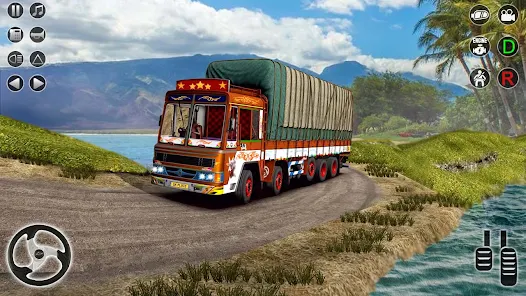
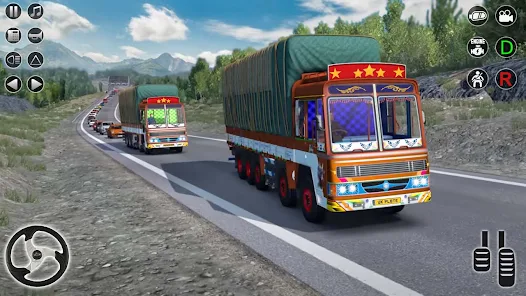
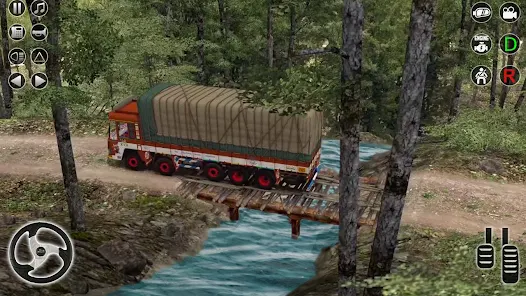
Begin with a narrative hook describing the appeal of truck simulation games. Introduce “American Euro Truck Driving Game,” highlighting its core premise of traversing both American and European virtual landscapes. State the article’s objective: to examine the game’s mechanics, cultural elements, monetization, community, and significance within the simulation genre, while comparing and contrasting it with similar games like “American Truck Simulator”[1].
II. Game Mechanics: The Nuts and Bolts of Virtual Trucking
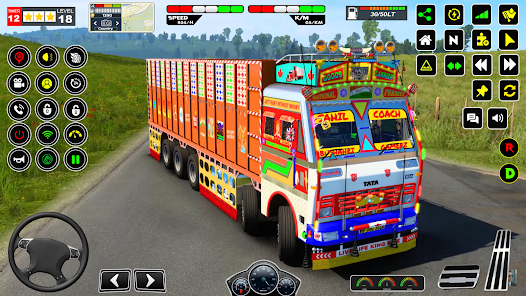
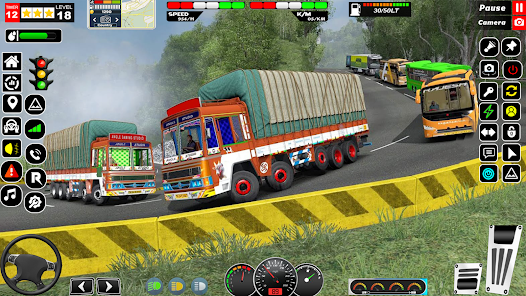
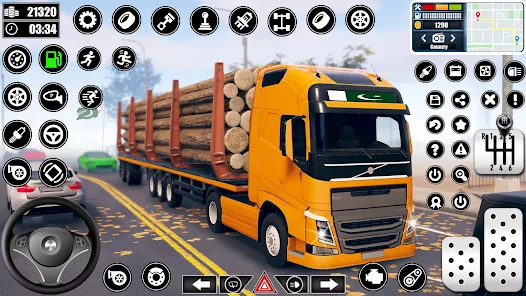
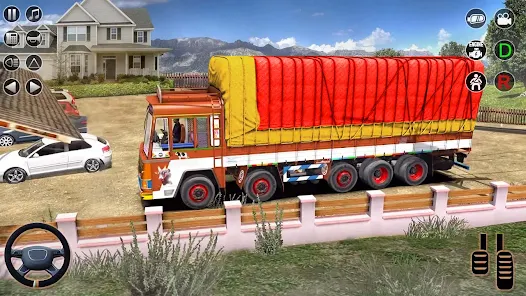
- Truck Roster: Detail the available trucks, categorized by manufacturer (mentioning officially licensed trucks if applicable), performance, and purpose.
- Driving Dynamics: Describe the control schemes (steering wheel, buttons, tilt), analyzing their responsiveness and realism[2]. Elaborate on the physics engine and its simulation of vehicle handling and road conditions.
- Cargo System: Describe the types of cargo, categorizing them by weight, value, and fragility. Explain the loading, securing, and delivery processes.
- Route Planning: Explore the map system, detailing the diversity of environments across America and Europe. Analyze the tools for route planning, considering factors such as distance, fuel, and deadlines.
- Economic Model: Explain the game’s economic system. Detail how players earn money, manage expenses, and invest in their trucking business.
III. Cultural Representation: A Tale of Two Continents
- American Trucking Culture: Explore the game’s depiction of American trucking, analyzing truck designs, vast landscapes, and iconic landmarks[1].
- European Trucking Culture: Examine the game’s representation of European trucking, focusing on road designs, architectural styles, and the prevalence of roundabouts[2].
- Cultural Accuracy: Assess the accuracy of cultural representations, identifying stereotypes and omissions.
- The “Open Road” Ideal: Explore the romanticized image of truck driving, analyzing themes of freedom and adventure.
| New Update Info | View Update |
| Latest Update | Link |
| Truck Games | Truck Games |
| Bus Games | All Bus Games |
IV. Monetization and Progression: The Business of Virtual Hauling
- Free-to-Play: Deconstruct the game’s free-to-play model, analyzing its impact. Discuss in-app purchases, categorizing them by type.
- Progression System: Explain the game’s progression, detailing how players unlock content and upgrade trucks.
- Monetization Balance: Assess the balance between free gameplay and spending incentives.
- Advertising: Evaluate the frequency and intrusiveness of advertising.
V. Community Reception: Voices from the Digital Road
- User Reviews: Analyze user reviews from app stores and online forums, identifying common sentiments.
- Social Media: Explore the game’s presence on social media.
- Community Content: Discuss the creation of user-generated content.
- Developer Response: Assess the developer’s responsiveness to feedback.
VI. Technical Evaluation: Under the Hood
- Graphics and Sound: Evaluate graphics quality, examining truck models, environments, and visual effects. Analyze the sound design, assessing engine sounds and music.
- Performance: Assess performance on various devices, considering frame rates and stability.
- Optimization: Analyze optimization, evaluating resource usage and compatibility.
VII. American Euro Truck Driving Game vs. American Truck Simulator and Euro Truck Simulator 2:
- Comparative Analysis: Directly compare and contrast “American Euro Truck Driving Game” with “American Truck Simulator”[1] and “Euro Truck Simulator 2″[2]. Focus on key differences and similarities in gameplay, graphics, and overall experience.
- Strengths and Weaknesses: Identify strengths and weaknesses compared to these established titles. Highlight areas where the game excels and areas for improvement.
- Unique Features: Highlight any unique features distinguishing the game from its competitors.
VIII. Long-Term Outlook: Miles to Go
- Replayability: Assess long-term replayability, considering content variety and customization.
- Update Potential: Discuss the potential for future updates and expansions.
- Community Building: Analyze the potential for building an active community.
IX. Impact and Legacy: More Than Just a Game
- Genre Influence: Discuss the game’s potential impact on the simulation genre[1][2].
- Cultural Impact: Assess the impact on perceptions of American and European trucking cultures.
X. FAQ (Frequently Asked Questions):
- Q: What platforms is American Euro Truck Driving Game available on? (Answer with available platforms).
- Q: Are the trucks in the game officially licensed? (Answer based on research).
- Q: Is American Euro Truck Driving Game free-to-play? (Confirm the monetization model).
- Q: Does the game feature multiplayer? (Answer based on game details).
- Q: What are the minimum system requirements for playing the game? (If available, provide details).
- Q: How does this game compare to American Truck Simulator? (Provide key differences)[1].
XI. Related Features:
- Modding Support: If the game supports modding, discuss the possibilities for user-created content.
- Multiplayer Mode: If multiplayer is present, describe its features and how it enhances the social aspect.
- VR Support: If the game supports VR, discuss the immersive experience it offers.
- Controller Support: Detail the game’s compatibility with different controllers (steering wheels, gamepads).
- Achievements/Leaderboards: Describe the achievement system and how leaderboards encourage competition.
XII. Conclusion: The Road Ahead
Summarize the analysis, reiterating strengths and weaknesses[1][2]. Provide a final assessment of the game’s quality and appeal. Offer concluding thoughts on the future of mobile gaming and simulation experiences.
By incorporating your requests, especially the comparison with “American Truck Simulator” and “Euro Truck Simulator 2” using the search results, this outline will provide the foundation for a comprehensive and informative article. Remember, I will avoid any form of links in the text. I am ready to begin writing; let me know if you have any questions.